TL;DR
- If your stock data is hours old when clients call, real-time access might save you ₹50K+ quarterly. If you’re always on-site with desktop access, save your ₹19K.
- Meera’s 8-week test: 55% less reconciliation time, caught ₹45K errors instantly. But barcode scanning failed in dusty environments. ROI payback: 2 months.
- Three critical mistakes she made (and how to avoid them): inadequate training, rolling out to everyone at once, not explaining why change matters to staff.
- Self-assessment inside tells you if her operational leak matches yours.
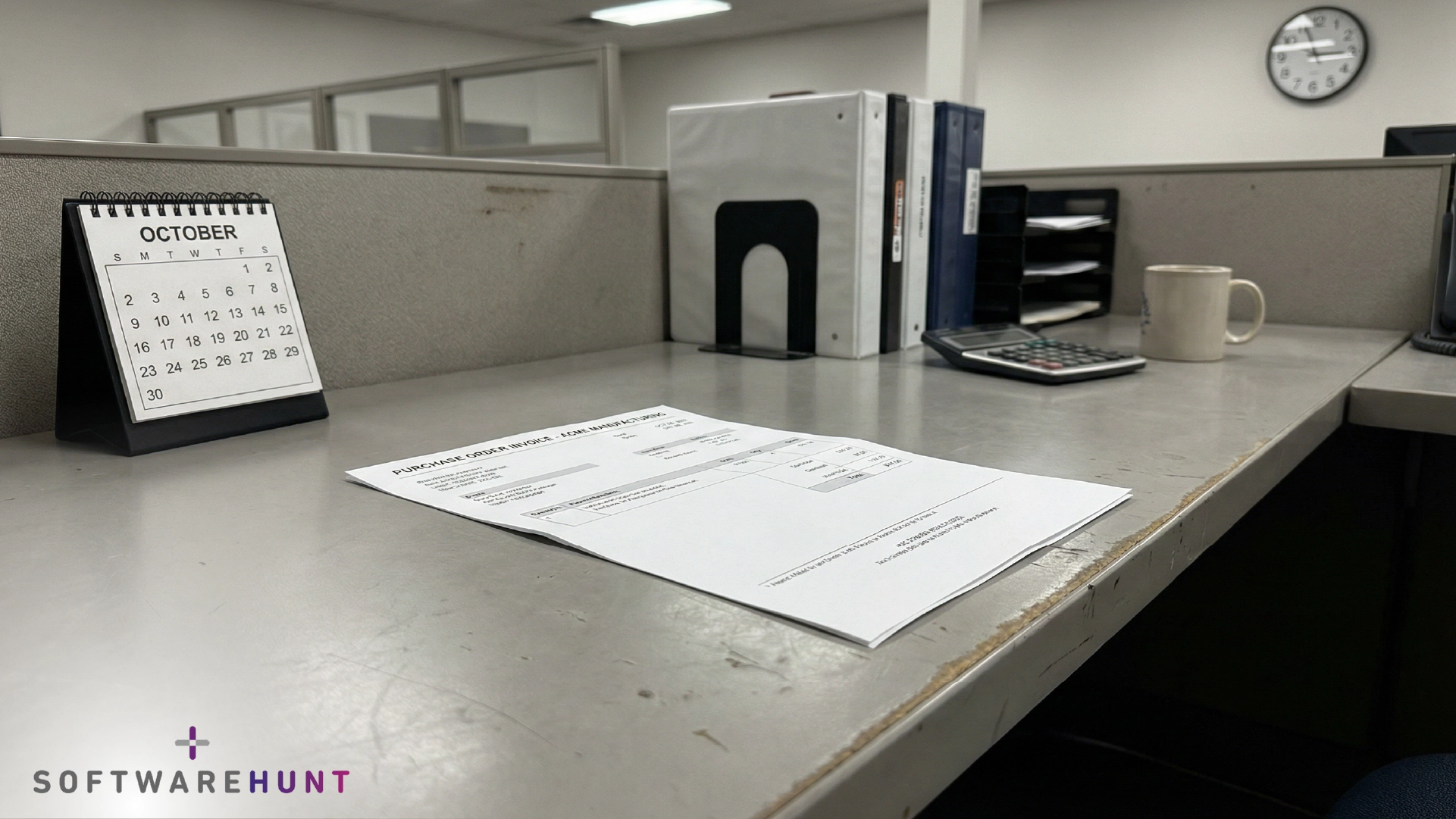
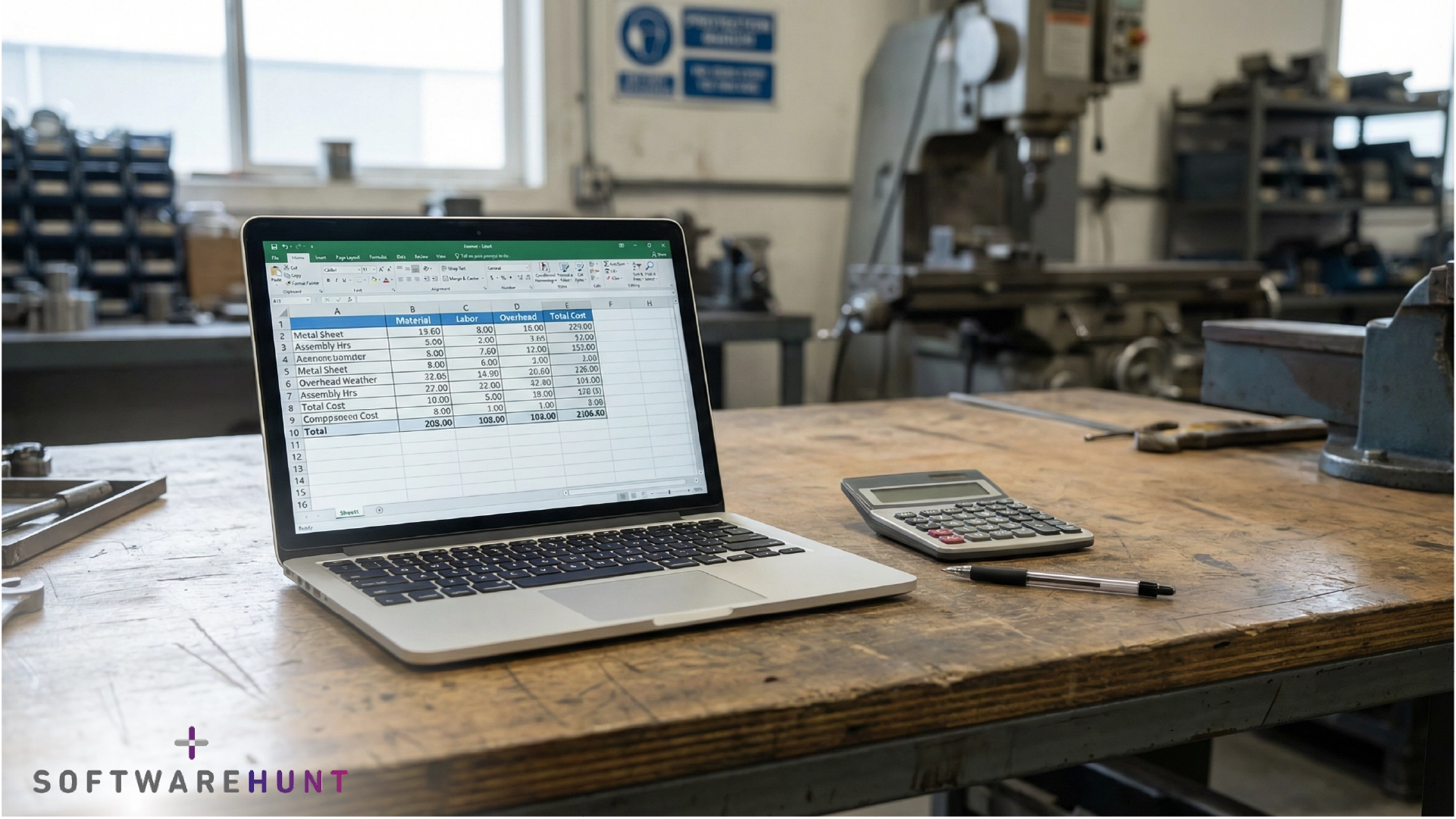
Background: Meera Kulkarni runs a CNC precision machining unit in Aurangabad, ₹16 crore annual revenue, 52 employees. On October 12, 2025, she lost a ₹2.8 lakh order because her Excel sheet showed 850 units in stock. The warehouse actually had 140. Excel was updated end-of-day; production consumed material hours earlier. That 3-hour data lag cost her the order and a 12-year client relationship. She decided to test mobile inventory for 8 weeks.
She didn’t start with a big ERP. She chose a simple mobile inventory management app for small manufacturers, the kind of inventory software that promises real-time stock visibility from your phone.
Time Period: October 12 – December 8, 2025
Total Investment: ₹19,300 (hardware) + ₹4,200/month (software from Month 2)
Day 1 – The ₹2.8 Lakh Order That Changed Everything
October 12, 2025 | 2:47 PM
Ramesh called while I was reviewing production schedules.
Meera, I need 700 MS-12 rods by Friday. Urgent client commitment. Can you do it?
I pulled up Excel. Last updated yesterday at 6 PM. Stock balance: 850 units.
Yes, Ramesh. We have material. I’ll confirm production schedule by evening.
He thanked me. Twelve-year relationship. ₹18 lakh annual business. Reliable.
I walked to the warehouse at 4 PM to verify. Sunil, my warehouse supervisor, was updating the register.
How much MS-12 stock do we have?
He flipped pages. 140 pieces, madam.
My stomach dropped.
Excel shows 850.
Production took 710 pieces this morning. I update Excel at end of day.
Three hours. That’s the gap between reality and my data.
I called Ramesh back. Told him we couldn’t deliver. He’d already committed to his client based on my confirmation.
Order lost. Trust damaged.
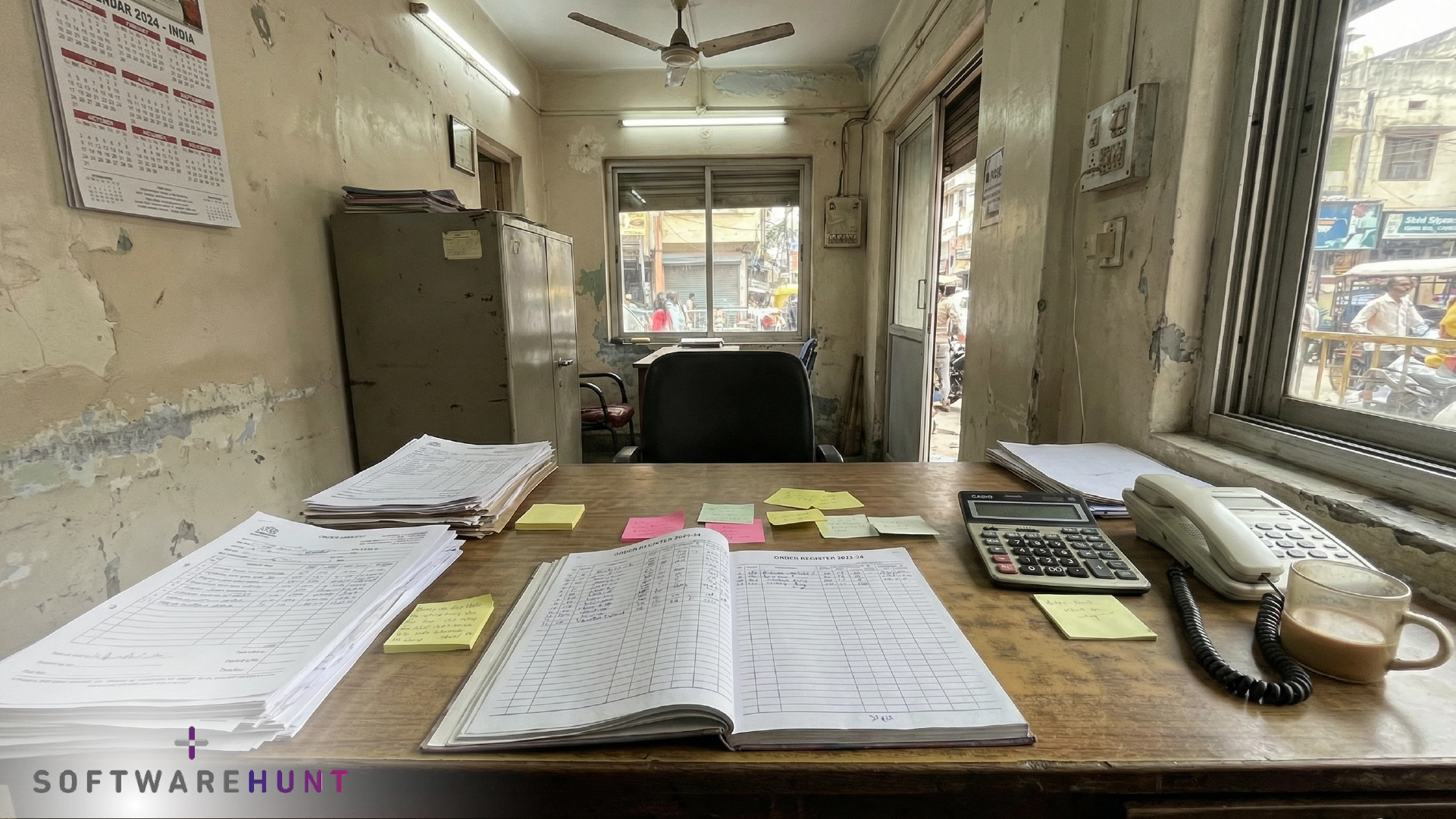
I walked to the office. Pooja was manually copying Sunil’s hand-written register into Tally, our accounting system. Same entries, twice. Data fresh from this morning was already 8 hours old by the time it reached my inventory reports.
That lag cost me the order.
I sat in my car outside the factory. Does Excel work or does it just feel familiar because we’ve used it for 8 years?
That evening, over dinner, I told my husband I was going to test mobile inventory tracking.
How much will this cost? And will Sunil even use it? He barely touches his phone.
I didn’t have answers. But I knew the cost of doing nothing.
WHAT I LEARNED: Data that’s 3 hours old isn’t data—it’s history. And history loses orders.
COST SO FAR: ₹0
ENERGY LEVEL: Angry at myself. Ramesh’s account is worth ₹18L annually. One mistake shouldn’t define us, but it might.
Day 3 – First Mobile Stock Update
October 14, 2025 | 10:30 AM
Set up pilot today. Three people: Sunil (warehouse supervisor, 54 years old, 28 years with us), Pratik (logistics coordinator, 28, tech-savvy), and Pooja (accounts, 31).
Researched mobile inventory solutions for two days. Found several with free trial periods. Downloaded one of two smartphones we already had – Pratik’s personal phone and one company phone.
I’d researched for two days before deciding. Tally’s advanced inventory module (₹22K) would help with reconciliation but not remote access, I’d still need to call the office. Desktop ERP systems (₹1.2-3L annually) felt like overkill for a specific problem: data lag from field operations. Mobile-first inventory (₹19K + ₹4.2K/month) matched exactly what I was bleeding: orders lost because I couldn’t confirm stock when clients called. Not the fanciest solution. The one that solved my leak.
In simple terms, she skipped full ERP for now and tested mobile inventory management software as a focused fix for data lag.
Pratik learned the system in 45 minutes. Kept saying Simple, madam while clicking through screens.
Sunil stood with arms crossed. Jaw tight. Wouldn’t look at the phone.
I asked him to record the first material receipt. Vendor delivering 500 kg MS rods.
He took the phone like it might explode. Typed with one finger. Asked Pratik three times where to enter challan number. Took 4 minutes to complete one entry.
In his register, same entry takes 20 seconds.
After the vendor left, Sunil handed the phone back.
Register worked fine for 28 years, madam. Why change now?
I wanted to explain. About Ramesh. About real-time data. About not walking to the office computer every time someone needs stock information.
But I just said, Let’s try for one week.
I’m not fighting the technology. I’m fighting 28 years of habit.
WHAT I LEARNED: Resistance isn’t about the tool. It’s about fear of looking incompetent after decades of mastery.
COST SO FAR: ₹0 (using free trial, existing phones)
ENERGY LEVEL: Exhausted. And we haven’t even started yet.
Week 1 – Real-Time Doesn’t Mean Instant Perfection
October 19, 2025 | Late evening
Today was the first time I felt a flicker of hope.
Ajay from our Nashik client called at 11:30 AM. I was at a customer meeting in Pune, 45 minutes from the factory.
Meera, do you have 300 units of bearing housing stock? Client wants to advance their order.
Old process: I would call the office. Pooja would check Excel (if she was at her desk). She’d call Sunil (if he picked up). He’d physically check. Call back. Total time: 12-15 minutes. Often longer.
Today: I pulled out my phone during the meeting. Opened the mobile inventory system. Live stock: 165 units available.
Told Ajay, We’re short 135 units. I can deliver in 4 days, or you adjust quantity now?
He adjusted to 150 units. Order confirmed.
Ninety seconds. That’s what mobile bought me.
But barcode scanning? Complete disaster.
Warehouse is dusty – metal filings, cutting oil mist everywhere. Labels get dirty within days. Sunil trying to scan barcodes meant wiping labels with cloth, holding phone at weird angles, retrying 5-6 times.
Manual entry is faster.
Then the breakthrough happened.
Vendor delivering 600 MS rods against PO. Sunil enters quantity: 60 units (missed a zero). System immediately alerts: Quantity mismatch with PO—expected 600, entered 60.
Sunil stops the truck. Recounts. Actually 60 pieces, not 600.
Challan was wrong. Would’ve been a ₹45,000 shortage discovered days later during audit. Caught it in real-time.
Sunil looked at the phone differently after that.
Not friendly. But differently.
| Task | Old Way (Desktop) | New Way (Mobile) |
| Stock check from client site | 13 min (3 calls + wait) | 30 seconds |
| Material receipt entry | Walk to office, 8 min | On dock, 2 min |
| Error discovery | 2-3 days (during audit) | Instant (real-time alert) |
For Meera, this was the difference between “Excel plus phone calls” and a real-time inventory tracking app that worked like a live window into her warehouse.
WHAT I LEARNED: Progress isn’t linear. Some things work immediately (remote checks), others fail spectacularly (barcode in dust).
COST SO FAR: ₹0 (still on free trial)
ENERGY LEVEL: Cautiously hopeful. Sunil smiled once. Once.
Week 3 – The Three Features That Actually Mattered
November 2, 2025 | Evening, after factory closed
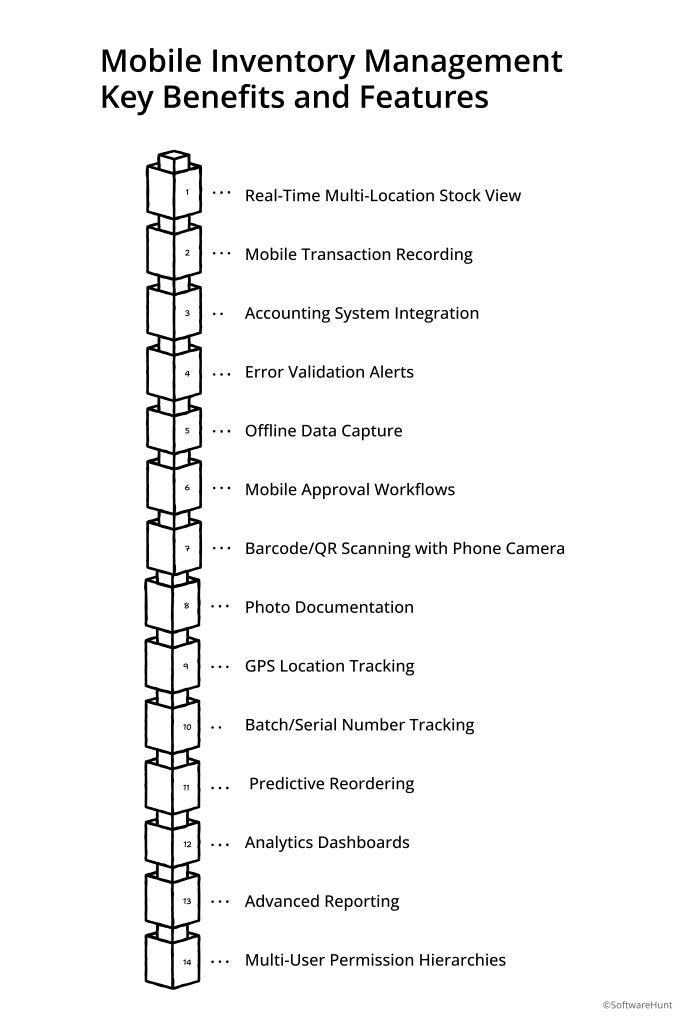
Three weeks in. Let me be honest about what actually works. Not every feature. Not the ones vendors lead with. Just the three that solved my specific leak.
Real-Time Stock Visibility From Anywhere
I’m at a client meeting in Pune.
Ajay calls: Do you have 300 bearing housing units available?
Old way: Call the office (if Pooja picks up), she calls Sunil (if he’s at his desk), he walks to the warehouse, calls back. 12-15 minutes.
New way: I check my phone. Live data: 165 units available. Ninety seconds.
That’s the whole point. I stopped losing orders because I couldn’t access data.
Error Alerts Before They Compound
Ravi entered 60 units instead of 600 kg. System flagged the mismatch instantly against the challan.
Old way: Discovered during monthly audit, 3 weeks later. Production already planned on wrong data.
New way: Caught in 10 minutes. Sunil recounted. Challan was wrong. ₹45K shortage prevented.
This feature alone paid for 2 months of the subscription.
Auto-Sync with Tally for Accounting
Sunil records material receipt on the phone. Data flows automatically to Tally for GST compliance.
Pooja used to spend 11 hours monthly manually matching warehouse register with Tally entries.
Now: 5 hours. 55% time saving.
She’s the biggest advocate now because the tool solved HER problem, not mine.
For any SME comparing mobile inventory apps vs desktop inventory software, this is the real test – does it save your team hours every month, not just look modern?
Everything else – barcode scanning, predictive reordering, GPS tracking – is nice to have.
Start with these three. Add the rest only if you’re still losing money after three months.
Week 4 – The Three Things I Did Wrong
November 9, 2025 | Weekend, reflecting
Almost gave up Week 3. Glad I didn’t. But I made avoidable mistakes.
Mistake #1: Assumed Everyone Would Figure It Out
Gave 30-minute training, showed basic functions, expected magic.
Result: Wrong data for 3 days. Ravi entering quantities in pieces when system expected kg. Deepak skipping mandatory fields – challan number, vendor name. Data was garbage.
The fix: Second training session, 90 minutes, hands-on practice with their actual materials. Not demo data – their familiar MS rods, bearing housings, real challans they see daily.
Printed laminated cheat sheet, big font, Hindi and English. Taped next to warehouse desk.
Made Pratik the go-to support person. Call Pratik, not Meera.
Lesson: Plan 2 training sessions 3-4 days apart. First is overview, second is practice. Adult learning needs repetition.
Mistake #2: Rolled Out to Everyone at Once
All 8 people simultaneously Day 3. Made sense at the time, get everyone on board quickly.
Disaster. Couldn’t isolate problems. Is Sunil’s sync issue his phone model or the system? Which data entry error is user confusion vs system bug?
Chaos multiplied by 8.
Pulled back to 3-person pilot. Sunil (senior skeptic), Pratik (tech-savvy), Pooja (moderate). Solved problems with them first. Added Ravi Week 3, Deepak Week 4.
By Month 2, 6 of 8 people using the system. Two still resist and I’ve stopped pushing. Six is enough.
Lesson: Start with 2-3 people representing your team’s range, one resistant senior person, one tech enthusiast, one middle-ground. Prove it works with them before expanding.
Mistake #3: Ignored Why Should I Care?
Announced in morning meeting: We’re going mobile with inventory. Didn’t explain the pain point, just the solution.
Team reaction: extra work for management’s benefit. Grumbling. Sunil thought it was surveillance—me watching his every move from my phone.
Week 2 huddle, I told the Ramesh story. The ₹2.8 lakh lost order. The 3-hour data lag. Made it real.
Then reframed: This protects YOU. When data is wrong, who gets blamed? You do. The system is your protection, not my surveillance. When Ramesh asks about stock, I check my phone—not call you 5 times to verify. Less interruption for you.
Sunil’s face changed. Mobile wasn’t management watching him—it was protection from false accusations.
Lesson: Explain the pain point first. Make it about solving THEIR problems—blame protection, less rework, fewer verify this again interruptions—not your reporting convenience.
WHAT I LEARNED: Change management is 80% of implementation. Technology setup is the easy 20%.
COST SO FAR: ₹19,300 (no new costs Week 4)
ENERGY LEVEL: Almost quit Week 3. Glad I pushed through. Mistakes now corrected. Forward motion visible.
We’re SoftwareHunt. We work with manufacturing owners running on Tally, Excel, and lean teams to understand your operational leaks and growth challenges. Our team is happy to connect with you, understand your personal pain points, operational leaks and growth challenges and go beyond platform listings/information to help find the right solution for you.
We’ll help you translate symptoms into clear financial insight and show you where to focus first – at no cost to you.
To email an advisor for a quick fit-check write to us at connect@softwarehunt.com
Month 2 – Was It Worth It? The Honest Verdict
December 8, 2025 | Final assessment
The Numbers
TOTAL TIME INVESTED: 35 hours (training, setup, troubleshooting, fixing mistakes)
TOTAL MONEY SPENT: ₹19,300 (hardware: cases, WiFi extender, printer, labels, tested scanner) + ₹4,200/month subscription (Month 2 onwards)
MEASURABLE RESULTS:
- Reconciliation: 11 hours to 5 hours monthly
- Mismatches: 4-5 errors/month to 1-2/month
- Response time: 25 minutes average to 3 minutes
- Lost orders: 2-3 per quarter to zero in Months 2-3
- Inventory accuracy: 82% → 94%
PAYBACK CALCULATION:
- Monthly benefit: ₹5,100 (time saved) + ₹20,000 (error reduction) = ₹25,100
- Initial investment: ₹19,300 + ₹4,200 = ₹23,500
- Break-even: 2 months
WOULD I DO IT AGAIN? Yes, but smarter.
Skip barcode initially. Start with 3-person pilot, not 8. Budget for WiFi extender upfront.
Before You Go Mobile: The Three Questions That Determine Success
Before you pay for any mobile inventory management tool, ask three questions. These will tell you whether to invest ₹19K in mobile stock tracking software or stick with Excel and better discipline.
Meera asked herself three questions before investing ₹19,300. These questions separated whether mobile inventory would save her money or waste it.
Question 1: What’s Your Actual Data Lag Costing You?
For Meera: 3-hour Excel lag → ₹2.8L lost order.
For you: Is it ₹20K per quarter from wrong stock data? ₹100K? Or is it just annoying but not bleeding cash?
Real-time access only makes financial sense if the lag is expensive.
If you’re not sure, ask yourself: In the last month, how many times did someone place an emergency order because system data didn’t match reality?
That number × average order markup = your lag cost.
If it’s under ₹40K quarterly, mobile inventory is probably overkill.
Question 2: Is Your Team the Constraint?
Meera’s biggest challenge wasn’t the software. It was Sunil (54, resistant, 28 years with the company).
If your team is entirely 50+, zero tech comfort, and zero willing learners, mobile inventory will sit unused for 6 months.
If you have at least 2-3 people willing to learn (regardless of age), momentum builds.
Sunil didn’t want mobile. But when the system protected him from false accusations about missing material, he became an enforcer.
Question: Do you have at least 2-3 potential champions on your team?
If no, spend ₹0 on technology. Spend time on training and process first.
Question 3: Is Your Baseline Data Already Broken?
Meera started with clean item names, standardized locations, and a working register (just slow).
If your warehouse has:
– Same material listed 5 different ways (like our first blog’s MS Rod 12mm problem)
– No location codes (stuff just sits wherever)
– No enforced recording discipline
Then mobile inventory will digitize broken data. You’ll have faster garbage.
Fix the process first (₹0). Add technology later (₹19K).
If you answered:
– Yes to Q1 (lag is costing ₹50K+ quarterly)
– Yes to Q2 (you have 2-3 willing learners)
– Yes to Q3 (your baseline data is clean)
Then you match Meera’s profile. Mobile inventory is worth testing.
If you answered no to any of these: That’s valuable information. You’ve just diagnosed that something else is your first fix.
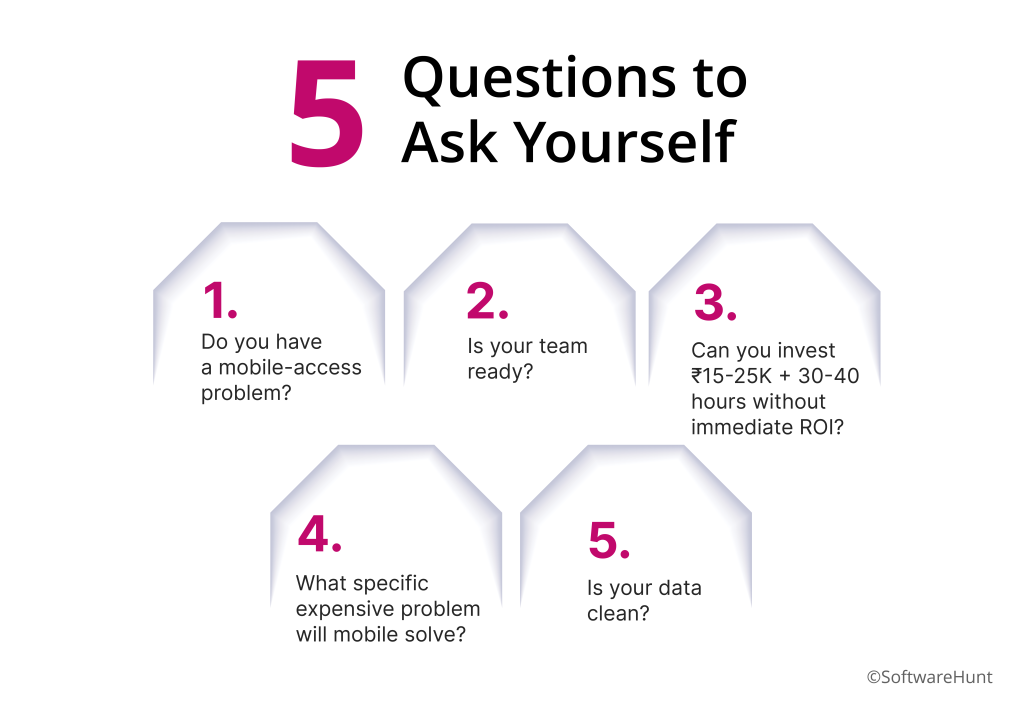
Five Questions to Ask Yourself
1. Do you have a mobile-access problem?
2. Is your team ready?
3. Can you invest ₹15-25K + 30-40 hours without immediate ROI?
4. What specific expensive problem will mobile solve?
5. Is your data clean?
Scoring Guide:
- 0-1 yeses: Real-time access is nice-to-have for you, not critical. Save your ₹19K. Focus elsewhere.
- 2-3 yeses: You have a data lag problem worth fixing, but process issues matter more. Spend 2 months standardizing item names, locking warehouse, and training before buying technology.
- 4-5 yeses: You match Meera’s profile exactly. Mobile inventory is worth a 4-week pilot before full commitment.
Not sure which bucket you’re in? That’s the conversation that matters. See the next section.
Who Should Try This
You match this profile:
- 30-100 employees, established manufacturing unit
- 2+ locations OR frequent field operations (sales visits, client meetings, site supervision)
- Spending 5+ hours weekly on inventory reconciliation
- Lost orders or production delays due to stock data errors (₹50,000+ quarterly impact)
- Already have basic system—Excel or Tally inventory module
- Decent warehouse WiFi (or budget ₹3,000 for range extender)
- At least 2-3 willing learners on team who can champion the change
Who Should Skip This
Don’t waste money if:
- Single location + you’re always on-site (desktop Excel is sufficient)
- Under 20 employees with low transaction volume
- Financial stress—can’t absorb ₹23,000 upfront + 2-month payback
- Entire team 50+ years old AND actively resistant with zero tech champions
- Haven’t standardized item names yet (fix that process problem first)
- Pure paper-based system with no desktop baseline (too big a jump – ndigitize to Excel first, then mobile later)
The Closing
December 7. Ramesh called again.
Meera, ₹3.2 lakh order. Client needs material confirmation now. Can you deliver?
I was in a noisy factory conducting supplier audit. Pulled out my phone. Checked live data.
920 units available, 180 units reserved for another order, 740 units free.
Yes, Ramesh. We have 740 units clear stock. Production starts today.
You’re sure? Last time—
I’m looking at live data right now. It’s confirmed.
Order won.
Two months ago, I would’ve said Let me check and call you back. By the time I verified, he would’ve moved to another supplier.
Mobile inventory isn’t magic. It’s having the right information at the right moment. If that gap is costing you orders, try it. If not, save your money.
WHAT I LEARNED: Real-time access = faster decisions = saved orders. The math is brutally simple.
TOTAL COST: ₹19,300 one-time + ₹4,200/month recurring
PAYBACK: 2 months (₹25,100/month benefit vs ₹23,500 first-month cost)
WOULD RECOMMEND: Yes, if you fix the mistakes I made upfront. No, if you’re not losing money from data lag.
Most Manufacturers We Talk to Aren’t Sure What to Fix First
Meera had 8 weeks and ₹19,300 to learn if mobile inventory was her next step. You probably don’t have that luxury.
If you scored 4-5 on the checklist above, you likely have a data lag problem worth fixing. But before you invest, three critical questions need answering:
- Is this actually costing me ₹50K+ quarterly? (If yes, it matters. If no, save your money.)
- Does my team have 2-3 willing learners? (If no, process training comes first.)
- Is my baseline data clean enough to not just digitize garbage? (If no, fix that month before investing.)
SoftwareHunt’s diagnostic process helps you answer these questions honestly and tells you if mobile inventory is your next fix, or if something else should come first.
We work with manufacturers running on Tally, Excel, and lean teams. We help you translate operational symptoms (like too many stock errors or lost orders from data lag) into clear financial insight and show you where to focus first.
Email – connect@softwarehunt.com