TL;DR
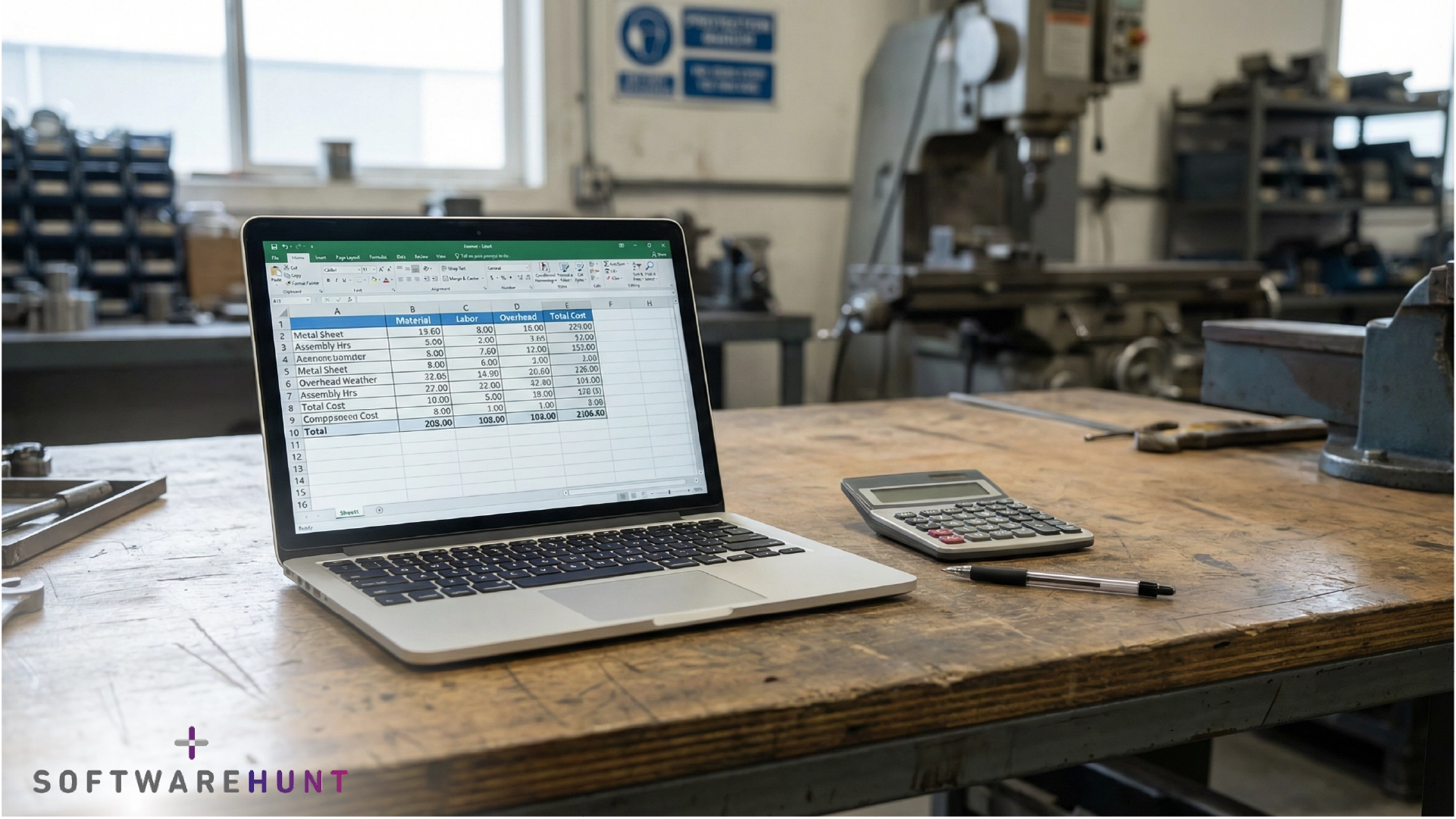
- Manual order tracking problems stem from spreadsheet-based sales order tracking in factory.
- No real-time visibility means sales promises dates without checking production capacity.
- Result: Missed deadlines, lost orders worth ₹1.2 lakh.
- Order tracking in manufacturing improves dramatically with phased digital solution, boosting OTIF and improving delivery reliability.
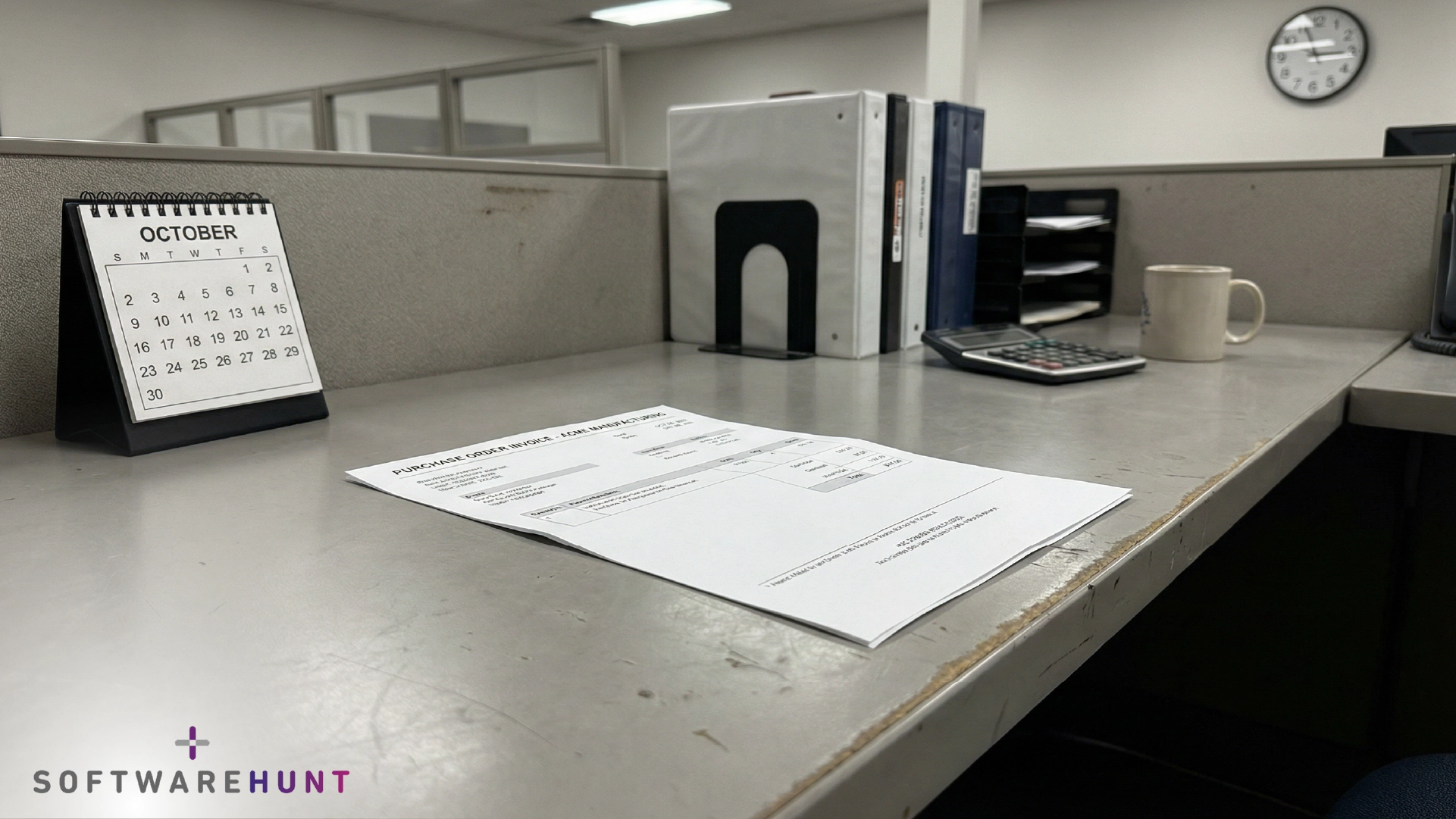
A Coimbatore valve factory had three orders sitting in limbo, not in production and not delayed at the supplier.
Sitting in an Excel spreadsheet waiting for someone to “check if they’re ready.” When the sales team finally found them, the delivery deadline had already passed.
Three customers, ₹1.2 lakh in lost revenue, and one painful realization: they’d been tracking orders the wrong way the entire time.
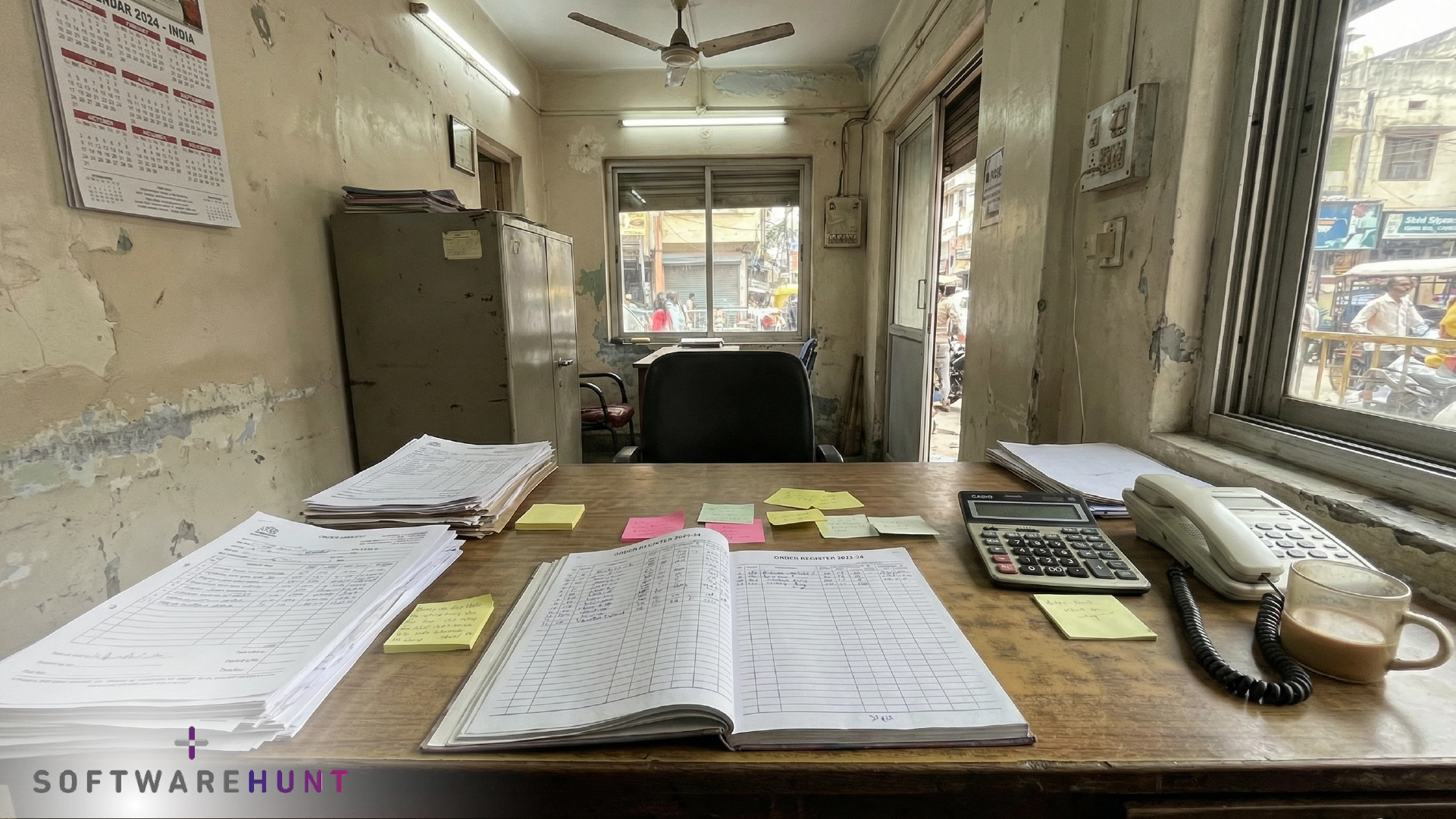
This is the reality of manual order tracking in manufacturing – orders don’t just get delayed, they literally disappear between spreadsheets, email threads, and WhatsApp messages until a customer calls asking “where’s my order?” By then, the damage is done.
The Problem Nobody Measures
Here’s what’s happening in your factory right now that you probably don’t realize.
Manual order tracking doesn’t just cause late deliveries. It creates blind spots that cascade through your entire operation from the moment a customer places an order to the day it ships. And the cost is staggering.
A typical manufacturing operation tracking orders via spreadsheet, email, or WhatsApp loses approximately ₹55,000 monthly just from tracking errors alone. That’s ₹660,000 annually. And this figure only counts the obvious waste – wasted time finding orders, correcting information, re-entering data.
The hidden costs are far worse.
Understanding the Real Damage: From Order Entry to Customer Disappointment
Why Manual Tracking Breaks Down
Manual order tracking fails at three critical junctures:
At Entry: A customer calls with an order. Sales person manually writes it down or types it from memory. Quantity gets recorded as 100 units instead of 150. The error isn’t discovered until production tries to plan the job. By then, material is already allocated elsewhere.
At Planning: Production team receives the job. They check the spreadsheet. It says the order is due next week. But that spreadsheet was last updated yesterday. Sales actually promised it for three days from now. No one communicates this gap until customer calls asking “where’s my order?”
At Fulfillment: Job finishes production. Is it ready to ship? Nobody knows without calling someone. Has material been reserved? Unknown. Is the customer expecting it today or tomorrow? Depends on which email you read. No single source of truth.
Each breakdown costs time. Cumulatively, they cost everything.
These are symptoms of relying on spreadsheet-based sales order tracking instead of real-time order management systems. The gap between what’s happening on the shop floor and what your system says is happening creates every missed deadline, every angry customer call, every expedited shipment.
The Math Behind the Madness
Consider this real scenario from a Pune automotive component manufacturer:
15 material tracking errors per day
20 minutes to resolve each error (finding stock, updating records, rescheduling)
5 hours of daily waste across the team
110 hours monthly × ₹500/hour labor cost = ₹55,000 monthly loss
This is why manufacturers searching for order tracking system for small business or manufacturing order management software eventually make the switch, not because spreadsheets are inconvenient, but because they’re expensive. The cost of not having real-time order tracking software for manufacturing exceeds the cost of implementing it by 10x.
Now multiply that by quotation errors, dispatch delays, and inventory miscounts. The number quickly becomes frightening.
But quantifying the problem isn’t the real insight. The real insight is understanding what happens downstream.
The Cascade Effect: How One Manual Process Breaks Everything
The Domino Chain
Manual order tracking doesn’t exist in isolation. It sets off a chain reaction:
Your sales team receives an order but doesn’t know production capacity. They promise a delivery date without checking if material is available. Production receives the job without visibility into the promised date. Material is ordered late. Material arrives after production was supposed to start. Finished goods miss the customer’s deadline. Customers lose trust. You lose the repeat order.
It’s a visibility problem and visibility problems compound.
What OTIF Measures
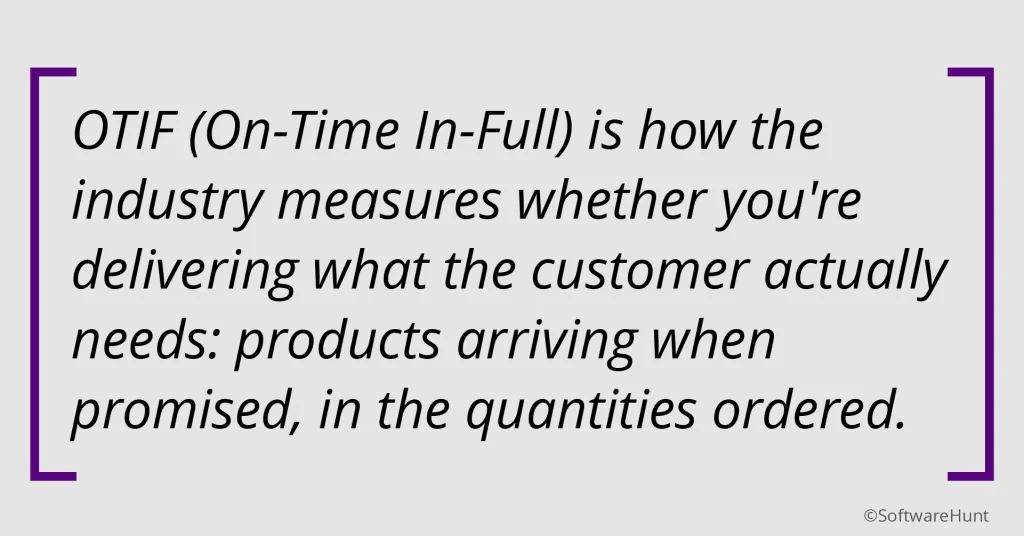
A good OTIF score is 95-99%. Most manufacturers using manual order tracking systems score 80-90% or lower.
That gap isn’t negligible. It represents every missed deadline, every partial shipment, every angry customer call asking “where’s my order?”
Here’s what matters: Smithfield Packaging improved their OTIF from 87% to 94% simply by implementing real-time order visibility. The difference between 87% and 94% is the difference between losing customers and keeping them.
The Hidden Pattern: Where Inventory Tracking Errors Really Originate
Most manufacturers think their inventory is disorganized because their team doesn’t try hard enough. This misses the point entirely.
The problem isn’t effort. The problem is that spreadsheets, email, and manual entry create inherent delays. Information becomes outdated the moment it’s recorded. Real work happens on the shop floor in real time. Spreadsheets update when someone remembers to update them.
This time lag between what’s actually happening and what the system says is happening, is where errors breed.
Research shows that when companies move from manual to digital order tracking, they reduce data entry errors by 50-70%. Not because people suddenly become more careful. But because the system enforces accuracy at entry instead of discovering mistakes later.
What Changes When You Fix Order Visibility
Level 1: Immediate Operational Relief
When your team has real-time order status, the basics improve:
Sales can answer “where’s my order” in seconds instead of hours. Production knows what to build next without asking anyone. Material arrives when needed, not randomly. Fewer people chasing spreadsheets means more people actually working.
Research on real-time manufacturing systems shows operators gain approximately 17 hours of productive time per production period simply by eliminating manual data entry and status chasing.
That’s not trivial. That’s 17 hours the team could spend on quality, planning, or actually making products.
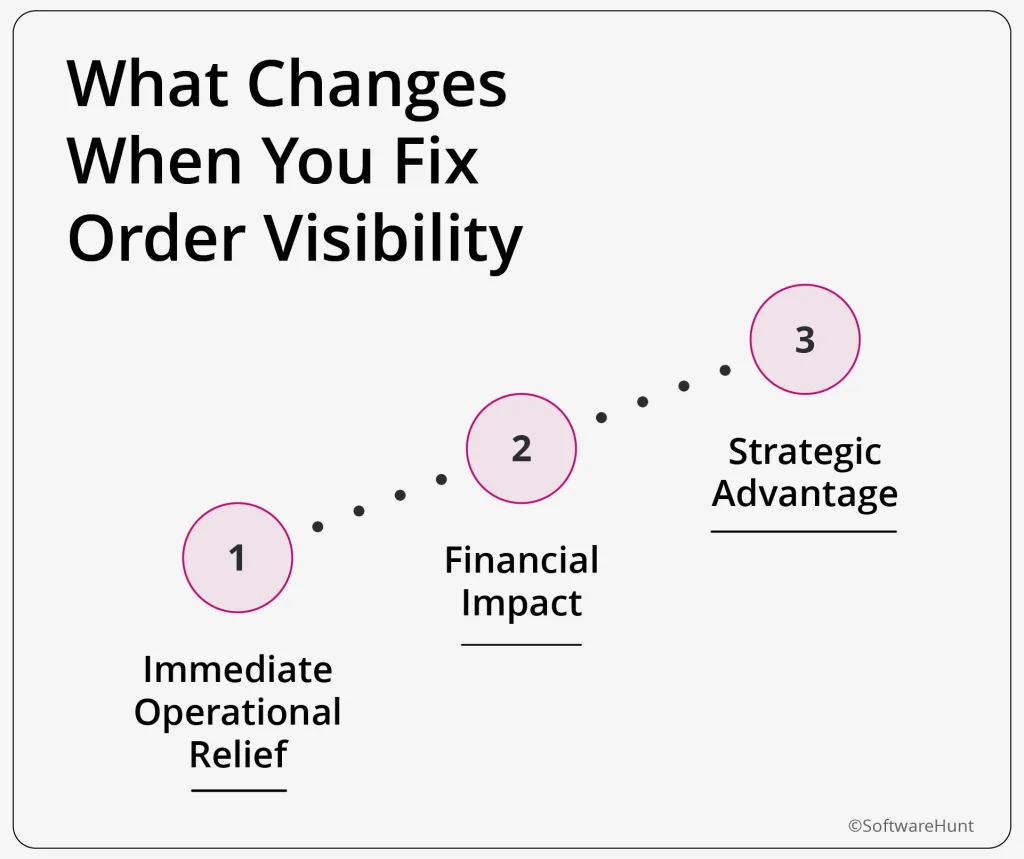
Level 2: Financial Impact
The cost of missed delivery dates goes beyond customer disappointment.
When you miss a delivery window, you typically expedite shipment (30% cost premium). You apologize to the customer (relationship cost). You might lose that order entirely (revenue loss). You’ve also spent labor reworking the problem that never should have existed.
When you implement real-time order visibility, these costs don’t disappear overnight. But they reduce measurably.
Companies implementing order tracking systems typically see:
20-35% improvement in on-time delivery.
30-50% reduction in expedited shipping costs.
10-15% improvement in labor productivity.
The financial math is straightforward: If expedited shipping currently costs you ₹2 lakh monthly, a 30-50% reduction is ₹60,000-100,000 in monthly savings. Permanent.
Level 3: Strategic Advantage
The deepest benefit isn’t operational. It’s strategic.
When you have real-time visibility into order status, you can make better decisions. You can see bottlenecks before they become critical. You can respond to rush orders by understanding the actual impact on your schedule. You can negotiate with customers from a position of knowledge, not guesswork.
You stop firefighting. You start planning.
Why Spreadsheets Can’t Solve This (Even With Better Discipline)
The temptation to “just organize Excel better” is strong. And it never works.
Spreadsheets work fine when you have 10 orders per day. At 50 orders per day, which is common for small manufacturers, spreadsheets become bottlenecks. At 100 orders daily, they collapse.
The constraint isn’t discipline. It’s system design.
A spreadsheet is static. Orders are dynamic. The real world changes constantly. Material arrives early or late. A machine breaks down. A customer changes their delivery request. A rush order arrives.
Every change requires someone to manually update multiple places. And in the gap between when reality changes and when the spreadsheet updates, errors breed.
Email and WhatsApp have the same problem, multiplied. They’re asynchronous (long delay between sending and reading), have no single source of truth (same order discussed in multiple threads), and create no audit trail (can’t track who said what).
The solution isn’t better spreadsheets. It’s a different system entirely.
The Measurement That Changes Everything
Start calculating your OTIF score. Most manufacturers don’t, which is why they can’t improve.
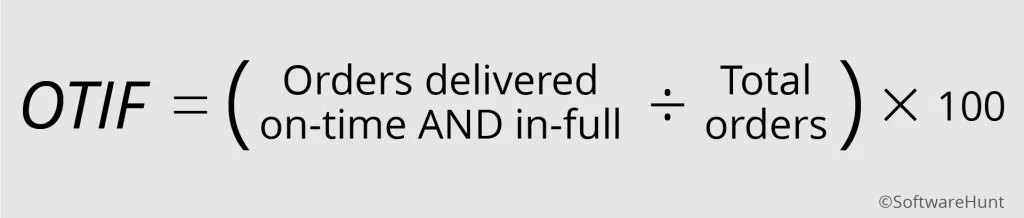
Track this for one month. What percentage of your orders arrive on the promised date in the promised quantity? If it’s below 95%, you have an opportunity. If it’s below 85%, you have an emergency that’s costing you substantially every single day.
Once you know your OTIF score, you can measure improvement. Once you can measure it, you can manage it.
Why Most Manufacturers Fix the Wrong Gap First
Arjun’s trying to figure out where to start. “Should I fix data entry first? Or should I focus on production visibility?”
Nisha smiles. “That’s exactly the wrong question.”
Arjun: What do you mean?
Nisha: I did exactly what you’re thinking. Looked at my five gaps and picked the one that seemed easiest to fix. Gap #3, the quality loop. Started there.
Arjun: Did it work?
Nisha: Made it worse. Spent six weeks overhauling my QC process. New forms, new checkpoints, trained everyone. Took ₹40K and a month of chaos.
Arjun: And?
Nisha: My OTIF didn’t improve at all. Because my real problem wasn’t quality checks. My real problem was Gap #1, orders weren’t being entered correctly in the first place. I was fixing the wrong thing.
Arjun: How did you figure that out?
Nisha: Hired a consultant. Cost me ₹12K. He spent 90 minutes in my shop, watched the flow, and immediately said: “Your problem isn’t here. It’s here.” Pointed to order entry. I felt stupid.
Arjun: But you fixed it?
Nisha: Yes. But I wasted six weeks and ₹40K fixing the wrong gap first. That consultant saved me, just eight weeks too late.
Arjun: So what should I do?
Nisha: Don’t start fixing. Start diagnosing. There’s a difference.
Arjun: I don’t follow.
Nisha: You can’t see your own system clearly when you’re inside it. Every gap looks equally important. You need someone outside your operation to map your actual flow and show you which gap is costing you the most. The sequence matters. Fix the wrong gap first and you lose 8 weeks + ₹40K minimum. Fix the right gap first and you’re at 89% OTIF in two months.
Arjun: How do I find someone who can do that?
Nisha: I have their email. [Writes on tissue: connect@softwarehunt.com] They specialize in this exact diagnosis. Manufacturer’s on Tally, Excel, tight margins, they’re your people.
Arjun: What do they charge?
Nisha: The diagnosis is free. You answer five questions about your operation. They send you back a custom breakdown: which gap costs you most, exact sequence to fix, expected ROI from each gap. Takes them 48 hours. Free.
Arjun: Why free?
Nisha: Because once you see your leak clearly, you’ll want help fixing it. That’s where they charge. But the diagnosis itself? Free. And honestly, it’s worth ₹50K. Saves you from making my mistake.
Arjun: And if I don’t want help after the diagnosis?
Nisha: Then you know exactly what to do. Better than guessing. But I’m betting once you see the numbers, you’ll want their help implementing. I did.
Once you know your OTIF score, the next step matters more than you think:
Most manufacturers try to fix all five gaps at once. Or they pick the one that seems easiest.
Reality: Your biggest leak might not be the most obvious problem.
Don’t guess which gap to fix first. Get professional diagnosis.
Answer these 5 questions honestly about your current operation.
1. Do orders ever arrive at production with missing or wrong information? How often per week?
2. Does production know the actual customer deadline before they start work, or do they find out later? How often?
3. When an order finishes production, do you have a clear handoff process to shipping, or does it sit waiting for someone to notice?
4. Can your team answer “where’s this order right now” in 30 seconds without calling 3 people?
5. When orders are late, is it usually the same gap point (entry, planning, quality, shipping, tracking) or different gaps?
What Success Actually Looks Like
In six months after implementing real-time order tracking, manufacturers typically report:
Your sales team no longer dreads customer inquiries. They have accurate answers immediately. Production runs smoothly because they know what to make next. Material arrives when needed, not randomly. Your OTIF improves from 87% to 94% or better. Customers stop complaining about late deliveries.
Financially, you’ve eliminated unnecessary expedited shipping, reduced rework, and freed up labor hours that now contribute to capacity instead of firefighting.
Strategically, you’re no longer reacting. You’re planning. You’re making decisions from data, not gut feel. You’re competing on reliability.
This is what order visibility actually buys you.
The Critical Question
Is your business losing ₹55,000 monthly to manual order tracking chaos? Is your OTIF score dragging down customer satisfaction?
The solution isn’t expensive. It’s not complicated. It’s a deliberate choice to move from manual, error-prone tracking to real-time visibility.
The cost of not changing is far higher than the cost of implementing it.
Start with Phase 1 next week. Measure the impact. Move to Phase 2 when you’re ready. By the time you reach Phase 3, you’ll be wondering why you didn’t do this years ago.
We’re SoftwareHunt. We work with manufacturing owners running on Excel, Tally, and tight cash flows. Our advisors help you identify operational leaks like hidden setup costs and overhead allocation errors and translate symptoms into clear financial decisions. We show you where to focus first, at no cost to you.
Email us: connect@softwarehunt.com